
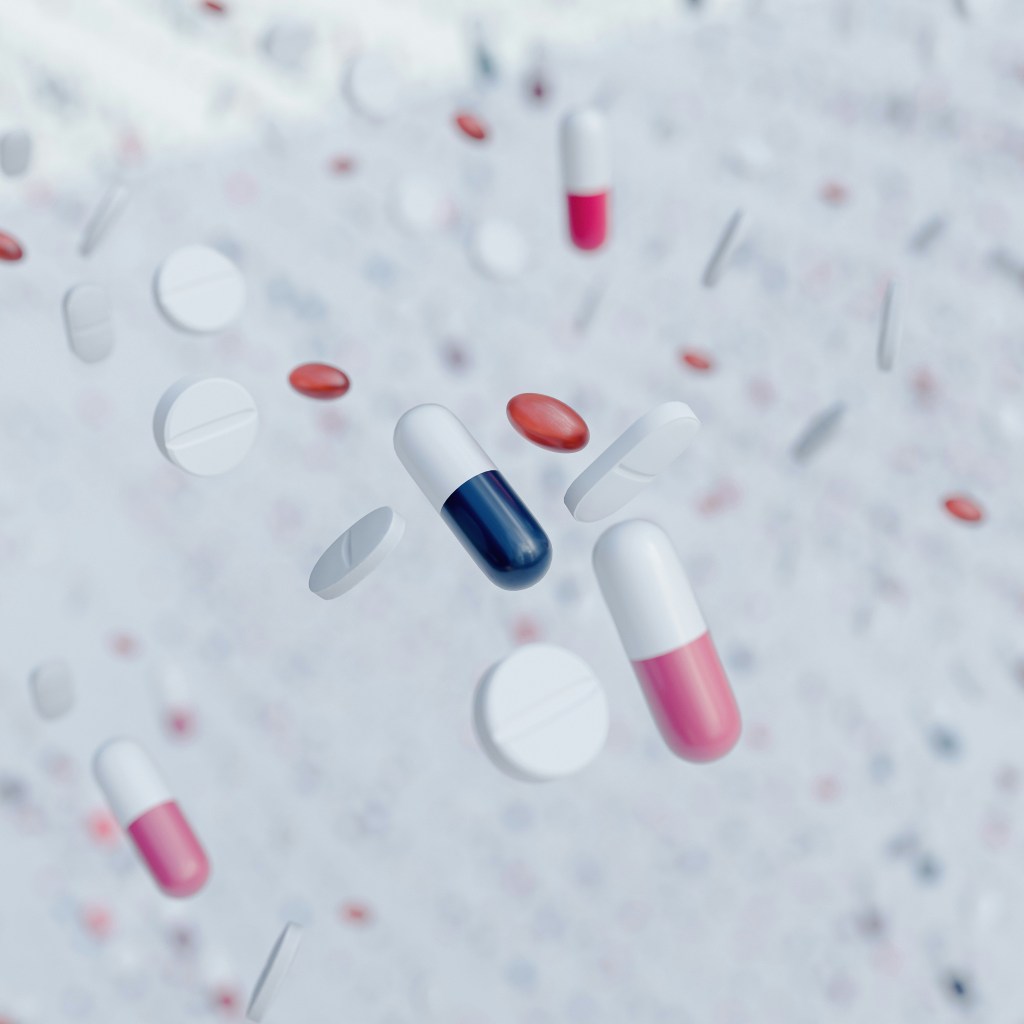
Hey PeriPause fam — if you’ve ever scrolled past an ad promising “miracle menopause relief in one pill!”, this one’s for you. Supplements can seem like an easy fix when things are heating up (literally), but what does the science actually say? Let’s break it down.
What We Know & What We Don’t
- Many supplements are unregulated. That means quality, purity, dosage, and even what’s actually inside the bottle can vary wildly.
- Some herbs and botanicals show promise in small studies or traditional use, but evidence is mixed and often inconclusive.
- Side effects and possible interactions with prescription meds are not just “maybe” concerns — especially for liver health, hormone-sensitive conditions, or if you’re already on other treatments. Talk to a healthcare provider.
Supplements That Show Some Promise (Backed by Research)
Here are supplements that may help — but with caveats.
| Supplement / Herb | What It Might Help With | What the Research Says / Concerns |
|---|---|---|
| Vitamin D + Calcium | Bone health; possibly helps with some menopausal symptoms. | If you’re deficient, supplementation helps. But for many people already getting enough, extra won’t do much. |
| Black Cohosh | May relieve hot flashes, night sweats, mood. | Mixed results. Some women report relief; but concerns about liver safety in rare cases. |
| Soy / Phytoestrogens | Could help with hot flashes, bone health, maybe mood. | Research is inconsistent; may be more helpful with good gut health. |
| Omega-3s | Mood, inflammation, maybe some relief from night sweats. | Some studies show benefit; not a magic bullet. Great for heart health. |
| St. John’s Wort | Mood support & possibly sleep. | Some effect in small trials, but interacts with many drugs. |
| Probiotics / Gut-related supplements | Gut health, inflammation, possibly heart and metabolic risk factors. | Promising early evidence, more trials needed. |
| Myo-Inositol | Blood sugar regulation, metabolic health, may improve ovulatory cycles. | More studied in PCOS, but growing evidence it could help with insulin resistance in perimenopause. Generally safe, but quality varies. |
| Magnesium | Sleep, mood, bone health, relaxation, muscle cramps. | Good evidence for sleep quality and stress reduction; most people don’t get enough. Safe when taken at moderate doses, but can cause digestive upset in high doses. |
| Berberine | Blood sugar control, cholesterol, metabolic health. | Promising for women with insulin resistance; some trials compare it to metformin. Can interact with medications and should be monitored. |
Tips Before You Try Anything
- Talk to a trusted health professional — especially if you have other medical conditions or are taking medications.
- Check the label — Look for third-party testing (USP, NSF etc.), clear dosage, and avoid secret/herbal blends you can’t verify.
- Start low, monitor symptoms — give any supplement several weeks to see effects, but also watch for side effects.
- Don’t neglect lifestyle — good sleep, diet, exercise, stress management often have bigger impact than supplements.
My Take
Supplements are not a quick fix or a replacement for medical care, but some are worth exploring if your symptoms are bothering you and other measures aren’t enough. The key is: be informed, be cautious, and know what your body is telling you.
Research Links You Can Trust
- Harvard Health “Menopause supplements: Effective relief or empty promises?” Harvard Health
- Cleveland Clinic “Supplements for Menopause Symptoms: Are They Safe?” Cleveland Clinic
- Medical News Today “Do menopause supplements work?” Medical News Today
- Mayo Clinic “Perimenopause – Diagnosis & Treatment” Mayo Clinic
⚠️ Disclaimer: This blog is for educational and informational purposes only. It is not intended as medical advice and should not replace consultation with a qualified healthcare professional. Supplements can interact with medications and may not be safe for everyone. Always check with your doctor or a licensed healthcare provider before starting any new supplement, especially if you have existing health conditions or are taking prescription medications.
 PeriPause
Leave a comment